Back-to-school spending can become more than a shopping list.
New shoes, notebooks, lunch supplies, a backpack, and the “one more thing” your child notices at the store all create opportunities to talk about money in a real, age-appropriate way. Instead of treating school shopping as a series of yes-or-no decisions, use it to help your child practice planning, prioritizing, waiting, and making thoughtful choices.
Make Shopping a Money Lesson
To teach kids about back-to-school spending, give them a clear amount to work with, separate needs from wants, and involve them in a few real decisions. Let them compare options, make trade-offs, and experience the result of choosing one item over another. The goal is not to make children responsible for the family budget—it is to help them understand that money is limited and choices have consequences.
Start With Needs, Wants, and Family Limits
Before shopping, make a simple list together. Divide it into three categories:
- Needs: Items required for school, such as notebooks, pencils, or shoes that no longer fit.
- Wants: Items your child would enjoy but could live without, such as a character-themed folder or a more expensive water bottle.
- Wait-and-see items: Purchases that may be useful later but do not need to be decided today.
This conversation helps children see that “need” and “want” are not the same thing. It also gives you a chance to explain family limits without making money feel secretive or shameful.
You might say:
> “We have a list of things you need for school, and we also have room for a few choices. Let’s decide what matters most before we shop.”
If your family has a specific spending limit, share it in a way your child can understand. You do not need to explain every household expense. A simple statement is enough: “This is what we can spend on your school items, so we’ll need to make choices within that amount.”
Give Your Child a Small Decision-Making Role
Children learn more when they participate than when they only hear instructions. Depending on their age, you might give them responsibility for one category, such as school supplies, lunch accessories, or a small personal item.
For younger children, offer two or three choices:
> “These notebooks are all within the amount we planned. Which one do you like best?”
For older children, let them compare prices, sizes, quality, or how often they expect to use an item. If they want a more expensive option, ask questions rather than immediately saying no:
- “What makes this one worth more to you?”
- “Would choosing it mean giving up something else?”
- “How often do you think you’ll use it?”
- “Could we wait and decide after we buy the required items?”
The point is not to turn every purchase into a negotiation. It is to help your child pause and think before spending.
Use a Simple Back-to-School Spending Framework
A practical framework can keep the conversation focused. Try Plan, Choose, Wait, Review.
1. Plan
Write down what your child needs and the amount available. Check what you already have at home before buying replacements. A partially used pack of paper or last year’s reusable supplies may not be exciting, but noticing what can be reused is part of planning.
2. Choose
Let your child make a few decisions within the plan. They might choose between two backpacks, select a special notebook, or decide which small add-on matters most.
3. Wait
Not every want needs an immediate answer. If your child asks for an in-game purchase, small toy, or special snack while shopping, practice waiting:
> “Let’s put that on your list and think about it for a few days.”
Waiting creates space to decide whether the item is still important later. It also gives children practice with the difference between wanting something now and choosing to save for it.
4. Review
After shopping, look back together. What did your child choose? What did they skip? Is there anything they wish they had handled differently?
Keep the review neutral. Instead of “I told you that was a bad choice,” try:
> “How do you feel about that decision now? What would you do the same or differently next time?”
This turns a purchase into a learning experience without turning a mistake into a lecture.
Let Trade-Offs Become Part of the Lesson
A budget becomes meaningful when children see that choosing one thing can affect another. If your child wants a premium item, you can explain the trade-off clearly:
> “We can choose this backpack, but then we may need to choose a lower-cost lunch container.”
That does not mean every decision has to be perfectly optimized. Children can make choices that are not the ones you would make. A reasonable mistake can be more useful than a parent making every decision for them.
You can also create a separate space for personal wants. For example, your child may use money they have saved or earned toward an optional item. This connects back-to-school spending with longer-term skills: setting a goal, deciding whether something is worth the cost, and waiting until there is enough money.
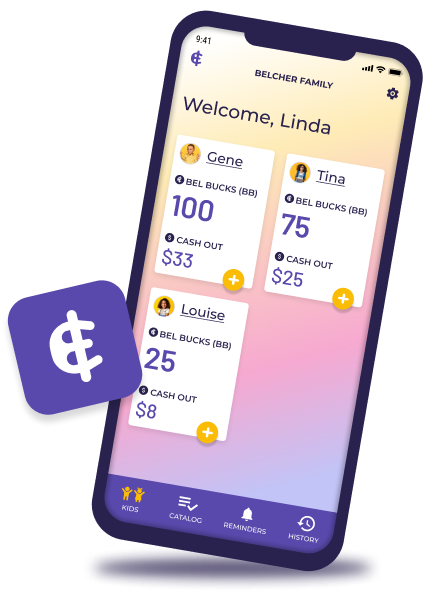
Earnee can support these conversations by giving families a simple way to practice earning, saving, waiting, and goal-setting. The tool matters less than the habit of talking through choices together.
Keep the Conversation Going After the Shopping Trip
The lesson does not end when the bags come home. A few short follow-ups can help your child connect spending decisions to everyday life.
Ask:
- “Which item are you happiest we bought?”
- “Did anything cost more or less than you expected?”
- “Was there something you decided to skip?”
- “Is there anything you want to save for now?”
- “What will we do differently for the next school purchase?”
You can also involve your child in small, ongoing decisions during the school year. If they want a special snack, a game upgrade, or a new small toy, help them compare the cost with their current savings goal. The goal is not to eliminate spending. It is to help them spend with awareness.
Back-to-school shopping gives parents a natural opening to teach that money represents choices. With a list, a limit, and room for your child to participate, an ordinary errand can become practice for planning, saving, and making decisions with confidence.
Use Earnee free for 30 days to turn spending choices into money lessons.